Common Electrical Issues and FAQs
Plain-English explanations of electrical problems we regularly see in homes and businesses.
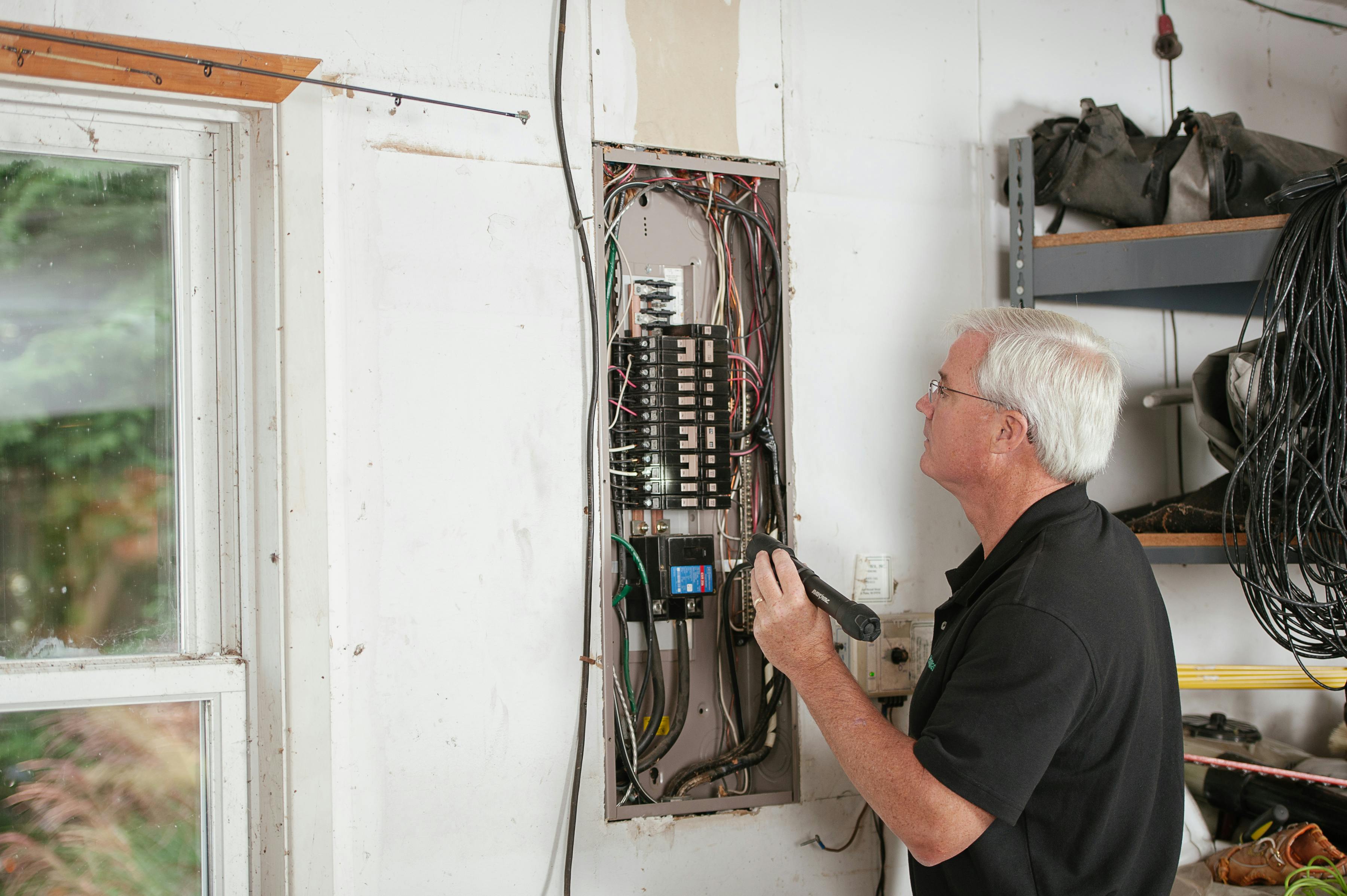
Half the House Has No Power
When unrelated circuits go dead at once, a partial outage or lost service leg may be the problem rather than a single tripped breaker.
Read article →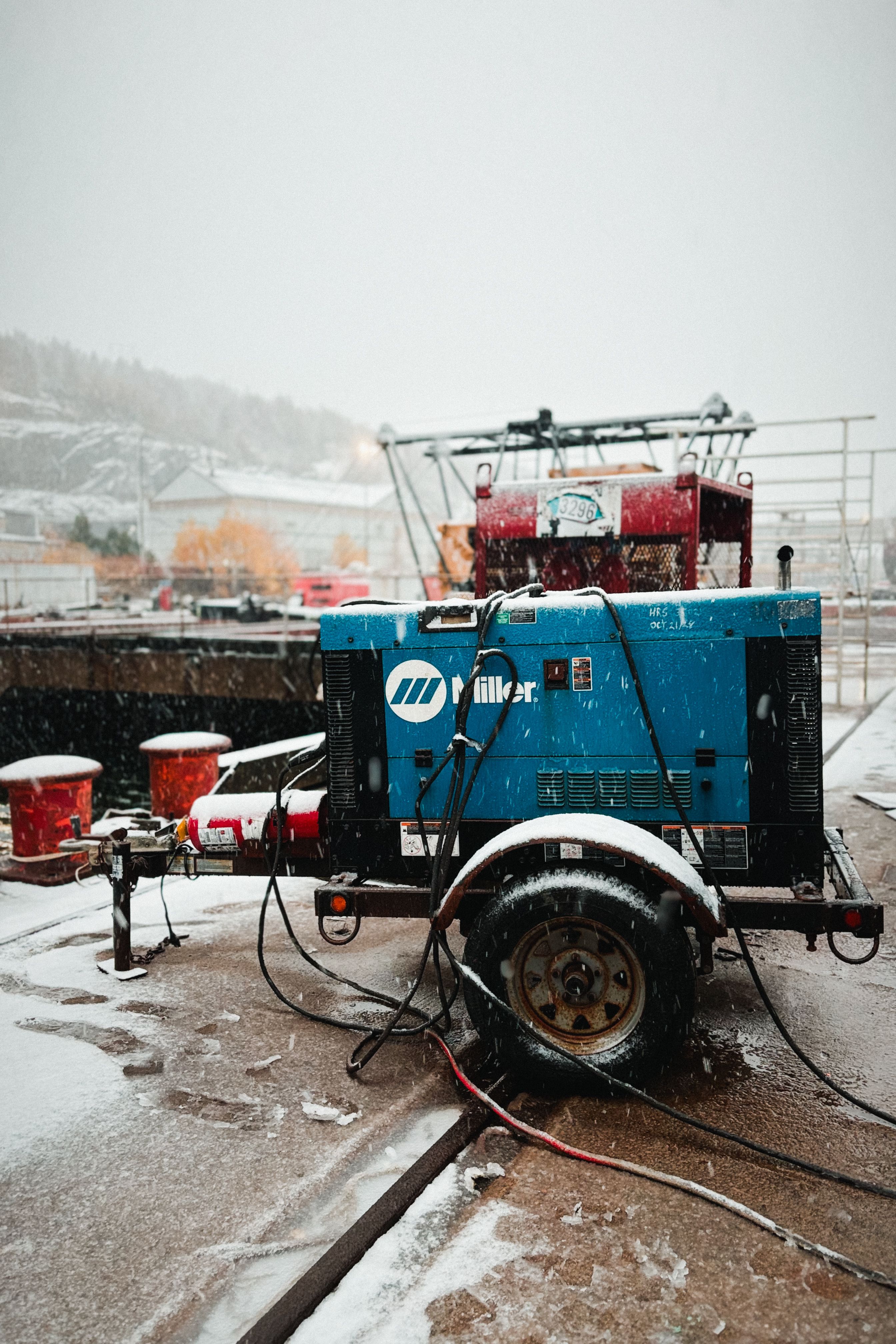
Portable Generator Connections
Learn why proper transfer equipment matters, how to avoid backfeeding, and what affects generator sizing and panel compatibility.
Read article →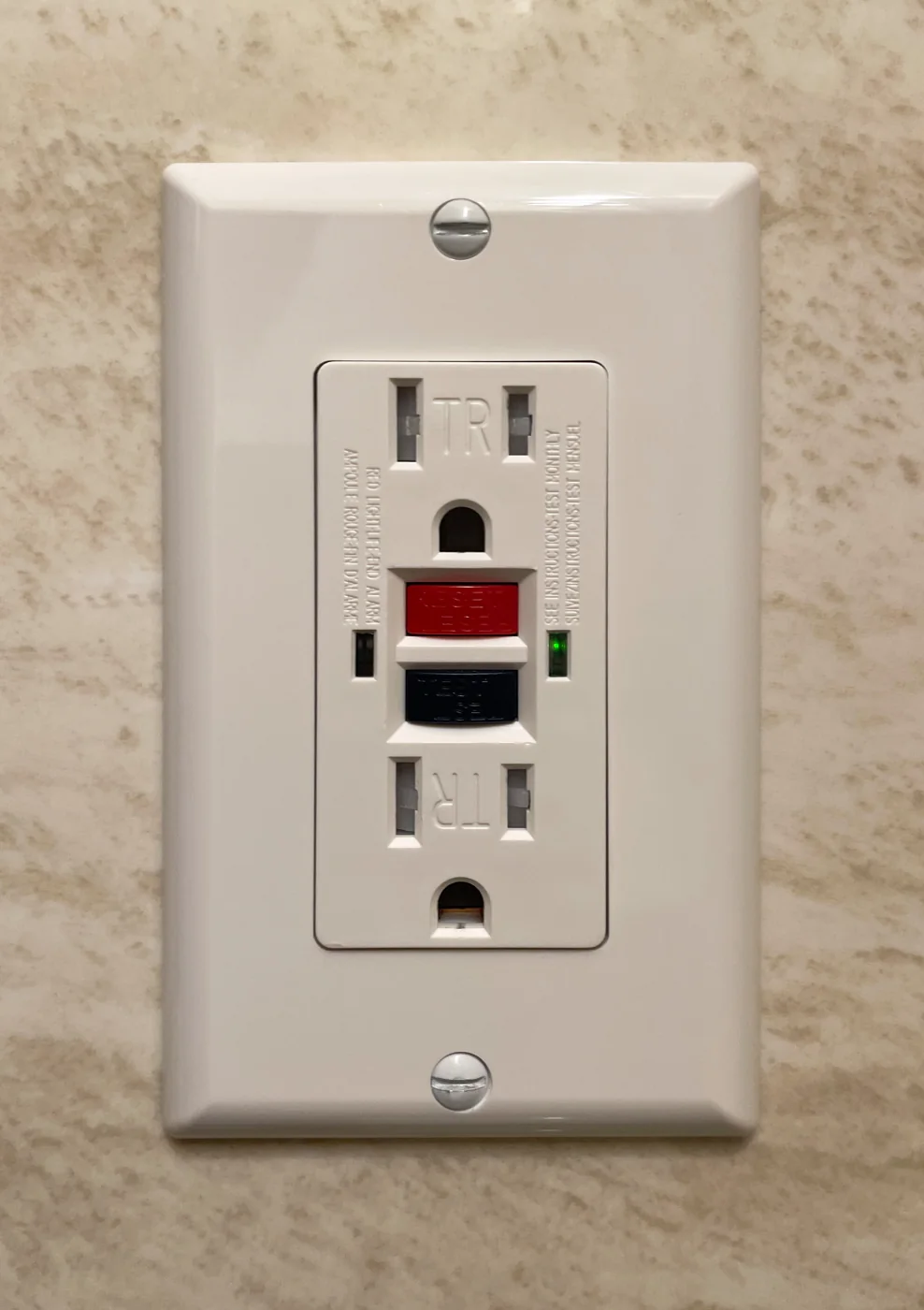
GFCI Keeps Tripping
Repeated GFCI trips can point to moisture, faulty equipment, downstream leakage, damaged wiring, or a failed device.
Read article →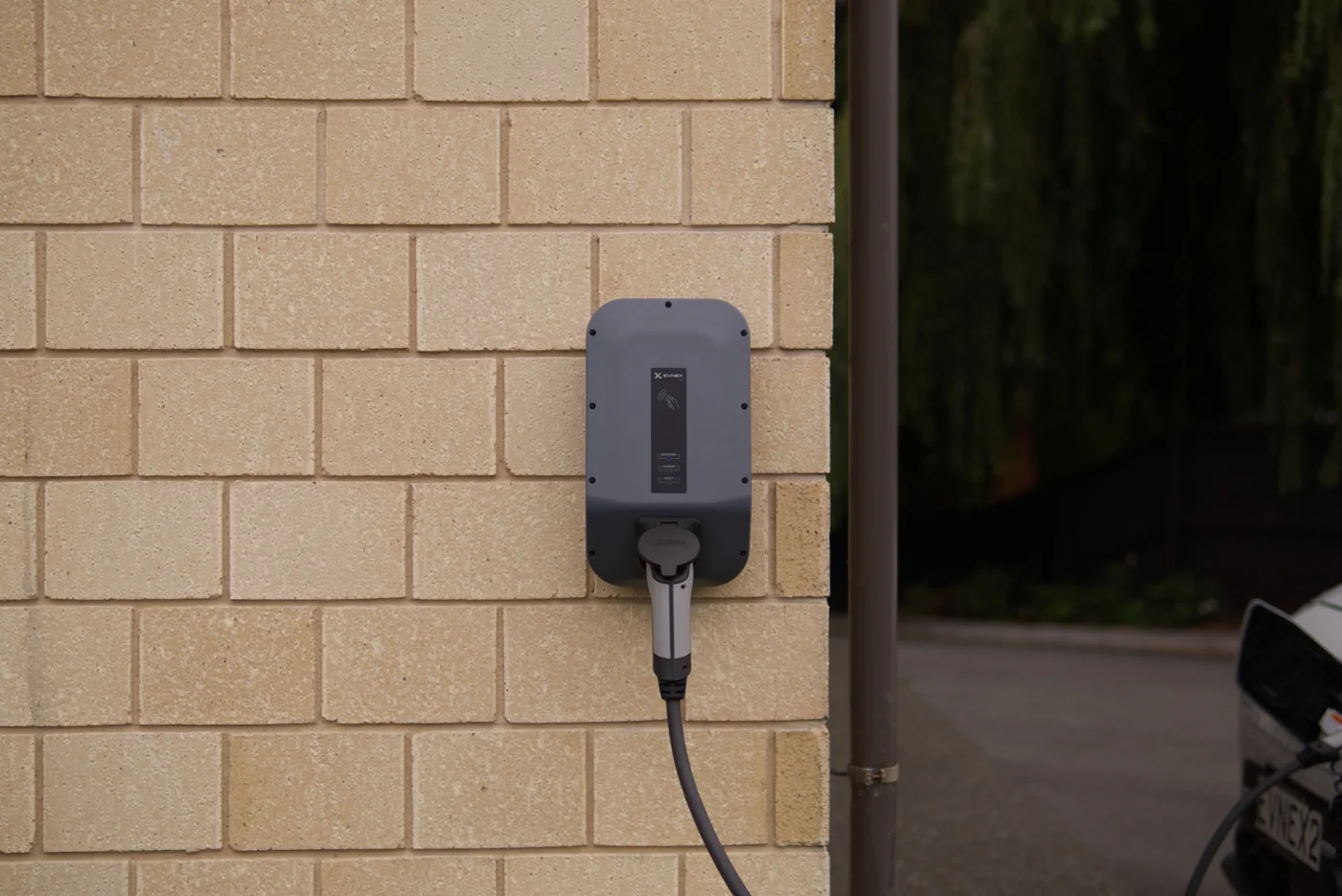
EV Charger Service Capacity
Learn how service capacity, panel condition, charging rate, and load management affect a Level 2 EV charger installation.
Read article →
Flickering Lights
A single flickering lamp may be simple. Flickering across several rooms or lights that get brighter and dimmer together can point to a service or neutral problem.
Read article →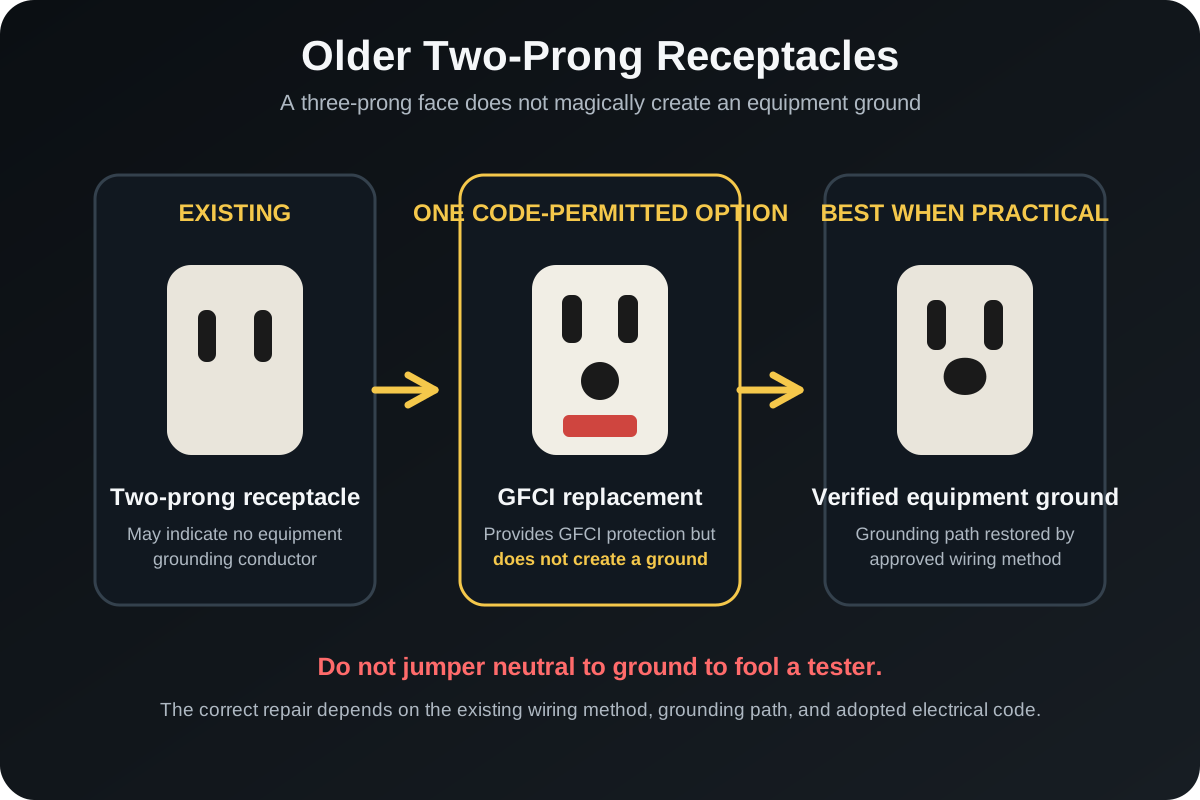
Two-Prong Outlets
Learn when an older two-prong receptacle can be replaced, what GFCI protection does, and why a three-prong face does not create an equipment ground.
Read article →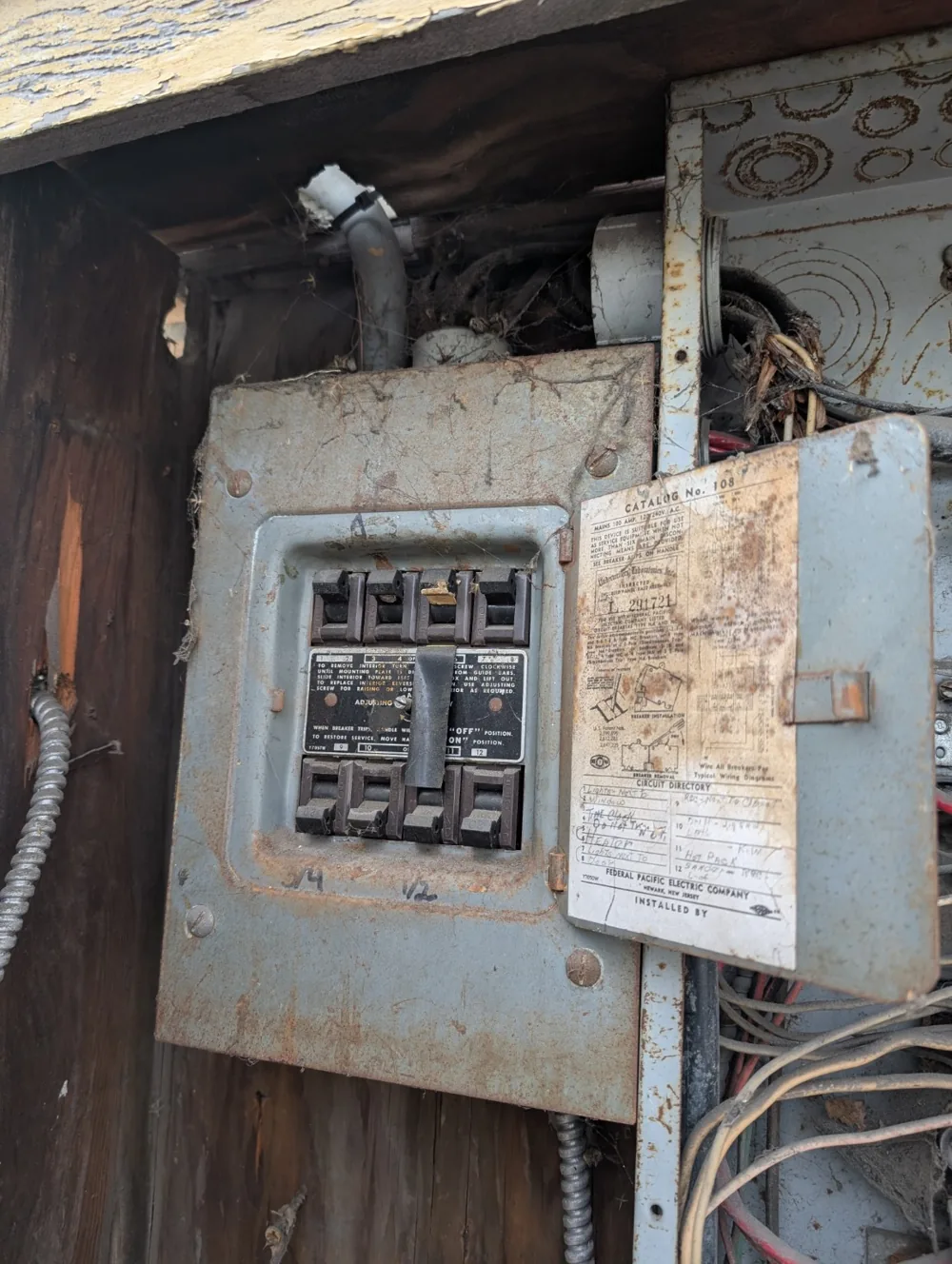
Electrical Panel Upgrades
Warning signs, capacity concerns, Federal Pacific Stab-Lok panels, and what an insurance company may ask for.
Read article →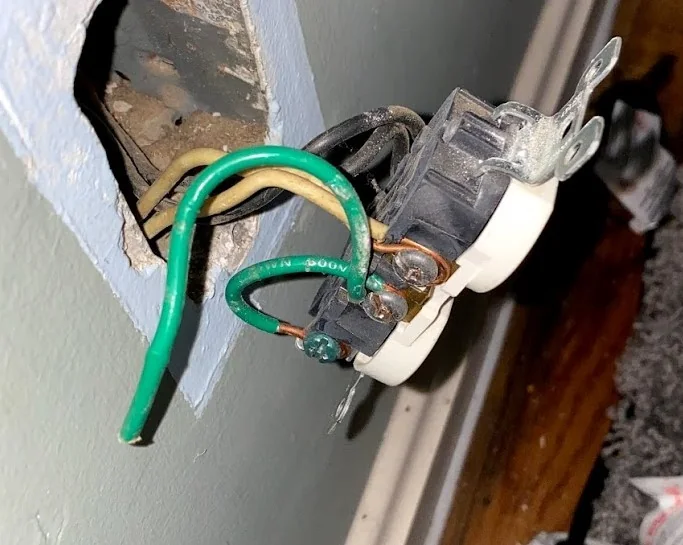
Bootleg Grounds
A neutral-to-ground jumper can fool a basic plug-in tester without providing a legitimate equipment-grounding path.
Read article →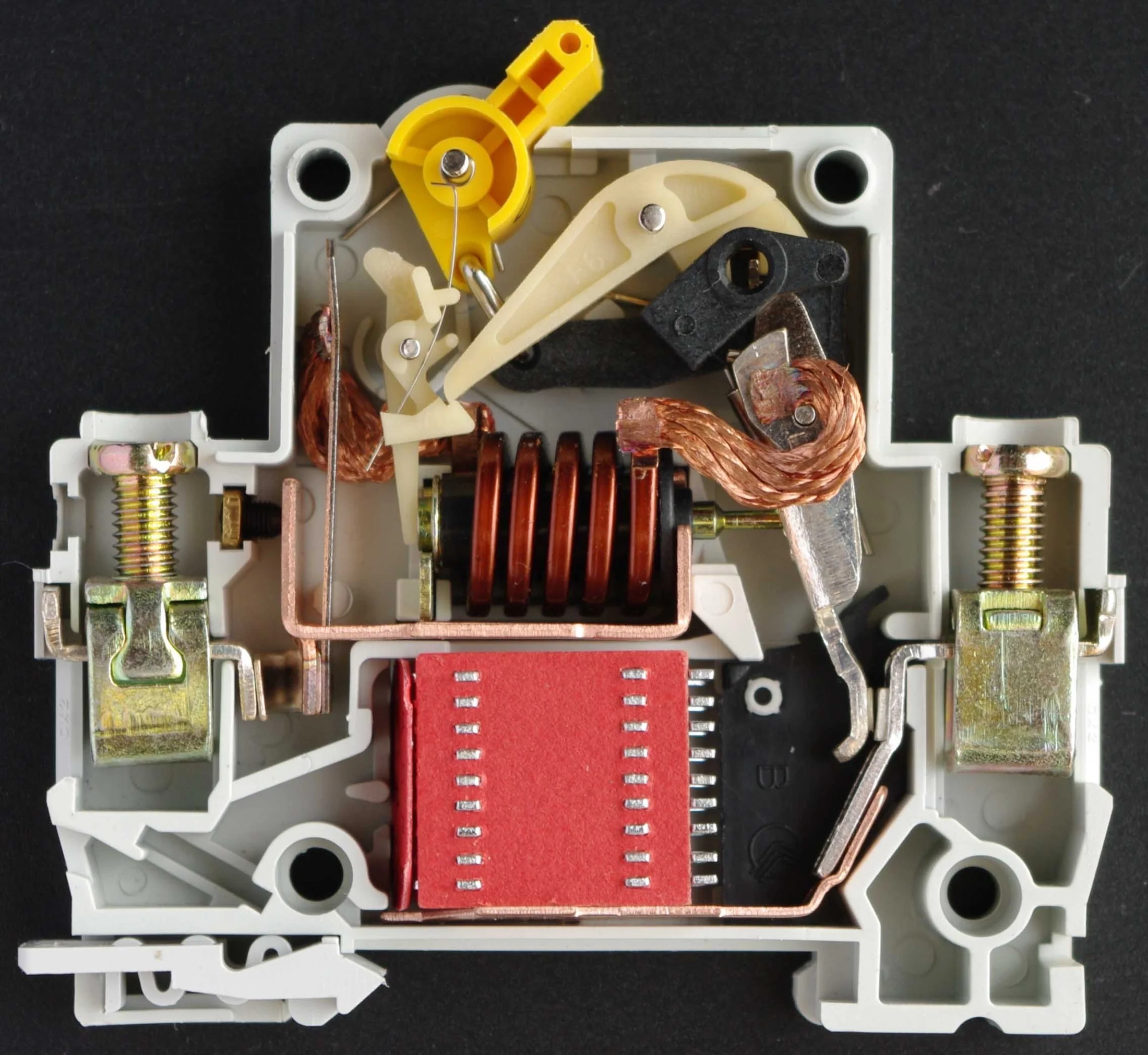
Tripping Breakers
A known one-time overload may be simple. Repeated, immediate, or unexplained trips are a sign that the circuit needs diagnosis.
Read article →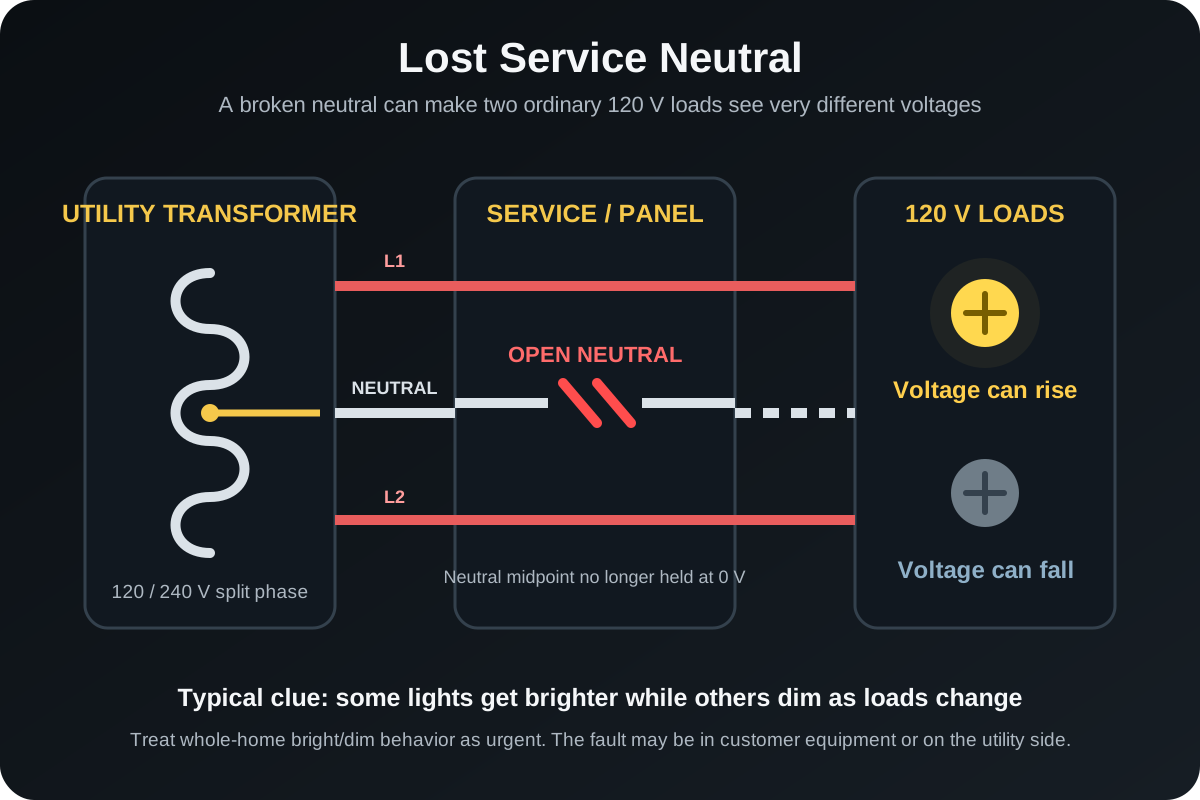
Lost Neutrals
Learn the difference between an open branch neutral and a lost service or shared neutral, including the bright-light/dim-light warning sign.
Read article →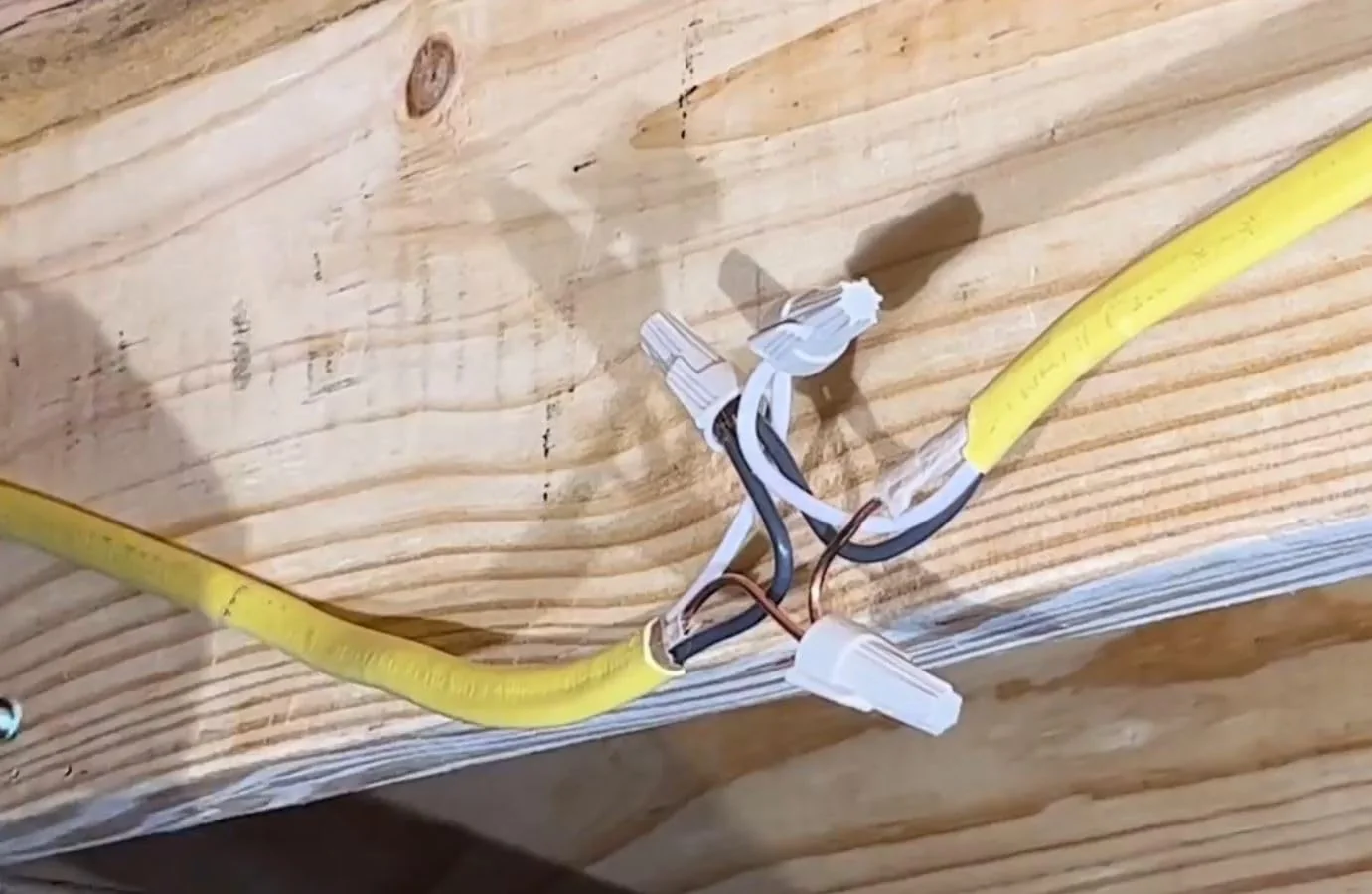
Open Splices
Ordinary field splices generally need an approved connector and enclosure. A connected splice can still be unsafe if it is left exposed.
Read article →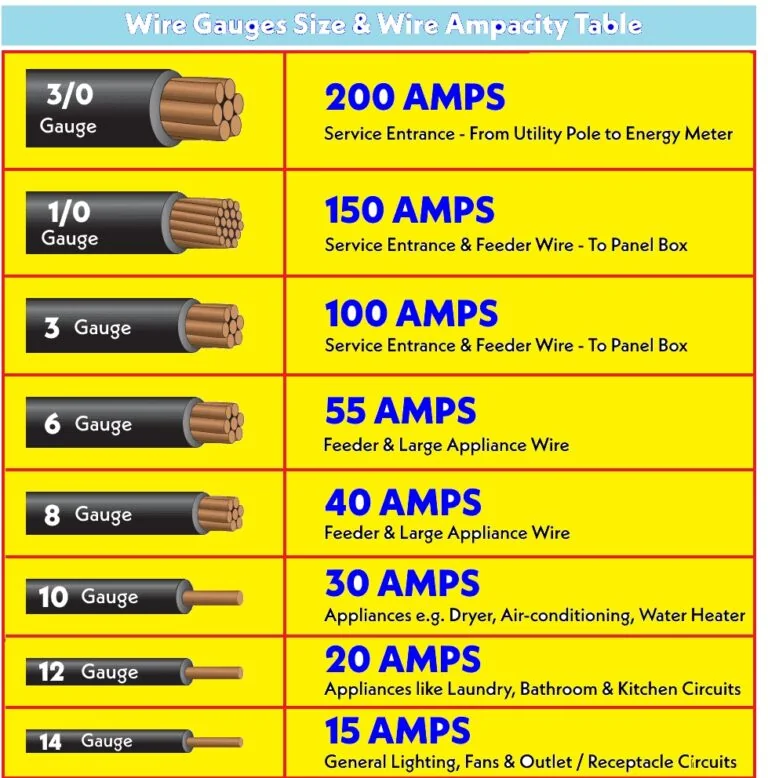
Undersized Wiring
A breaker that is too large for the conductors can allow wiring to overheat without tripping. Wire size and overcurrent protection must be coordinated.
Read article →